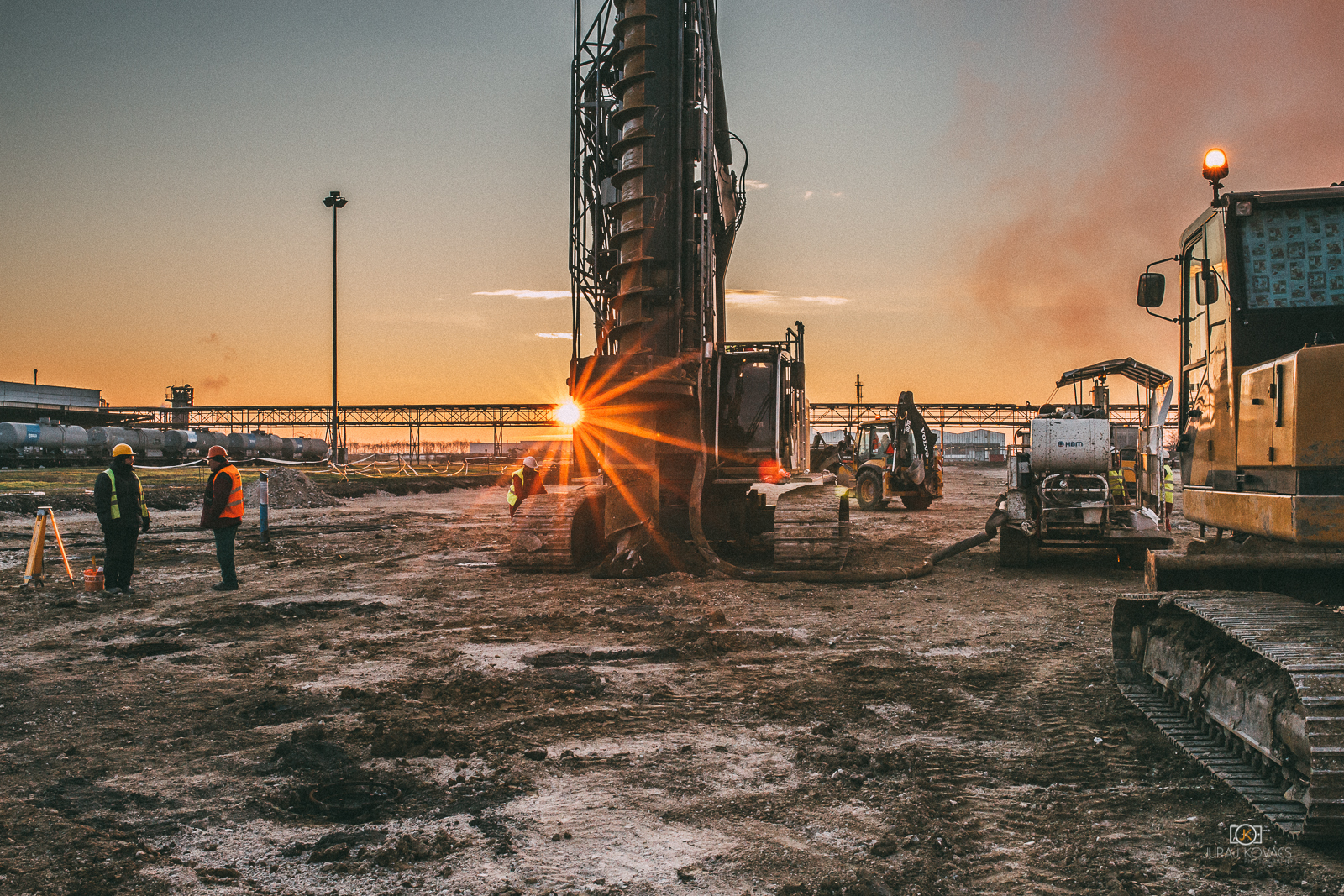
1995-2005
The first decade of HBM was determined by the infrastructure projects delivered in cooperation with Hídépítő. The greatest examples are the pile-walls and bridge foundations of the M7 motorway, and the underground car park at Pollack Mihály Square.
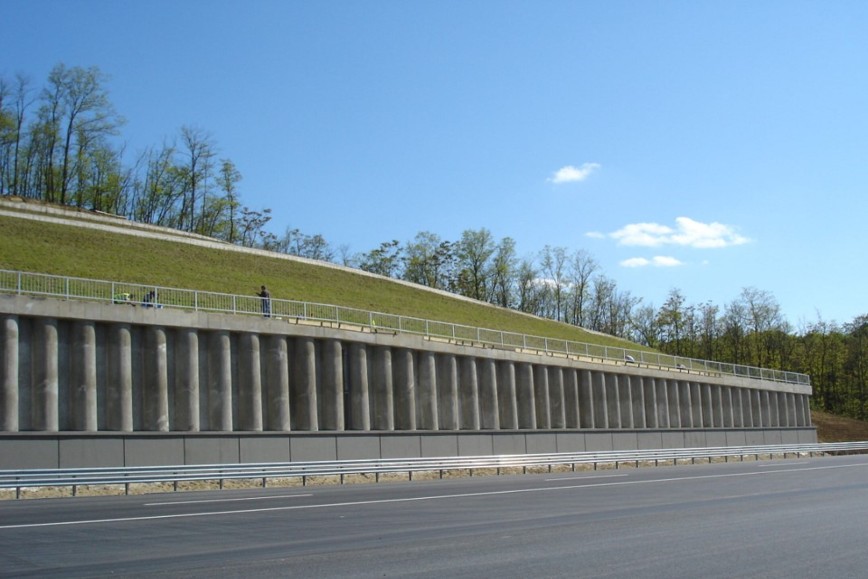
M7 motorway pile wall
1999
Gyula Madar took over the leadership of HBM from Andor Táskai.
2003
The historical heritage building at 34–36 Városliget Fasor was temporarily standing on a micropile foundations system to allow the construction of new underground spaces beneath.
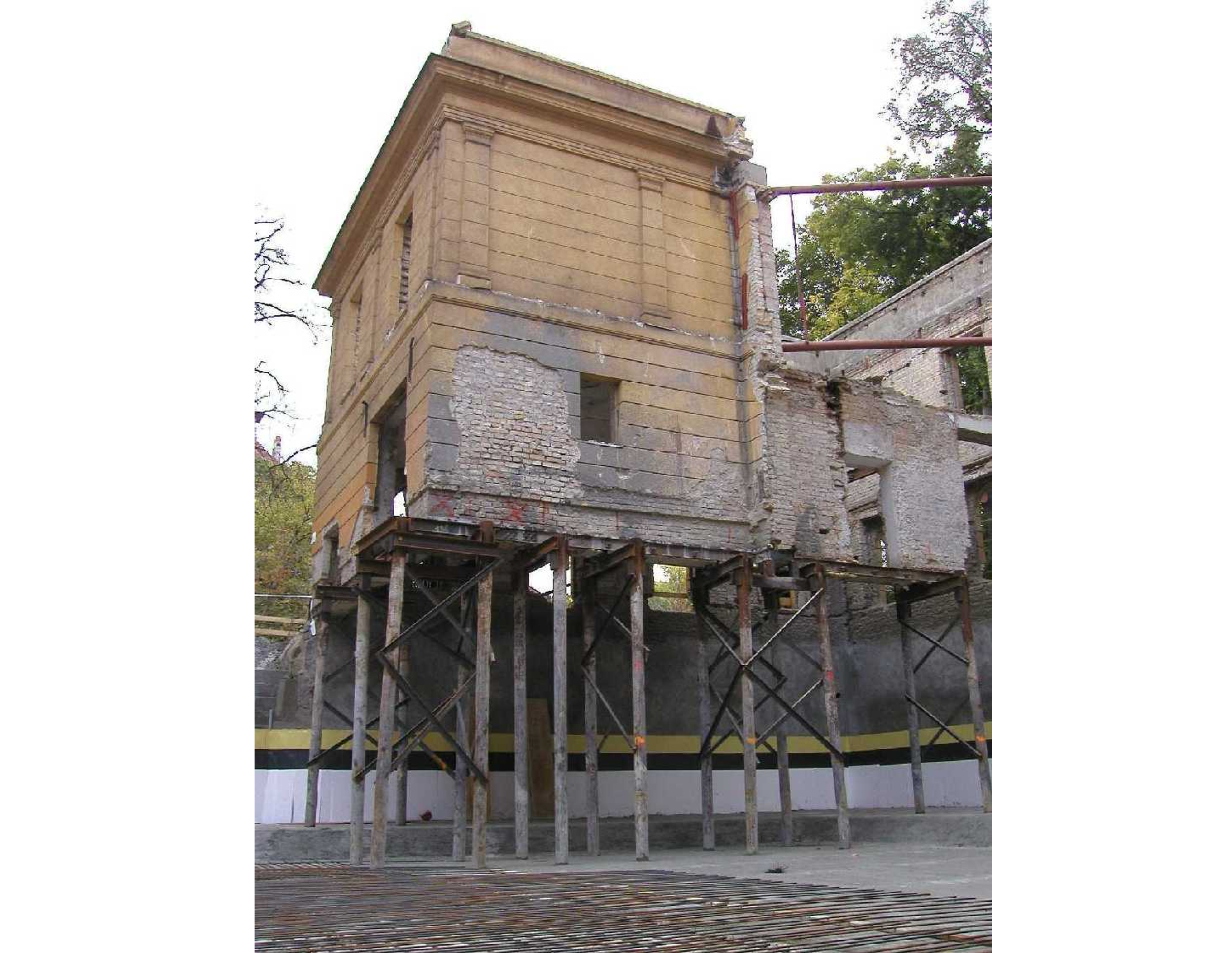
ÁÉ Bank
2005
The deep foundation of the largest viaduct of Hungary was constructed using slurry supported bored piles with diameters of 1,2 m and 1,5 m, down to 23–30 meter depths.
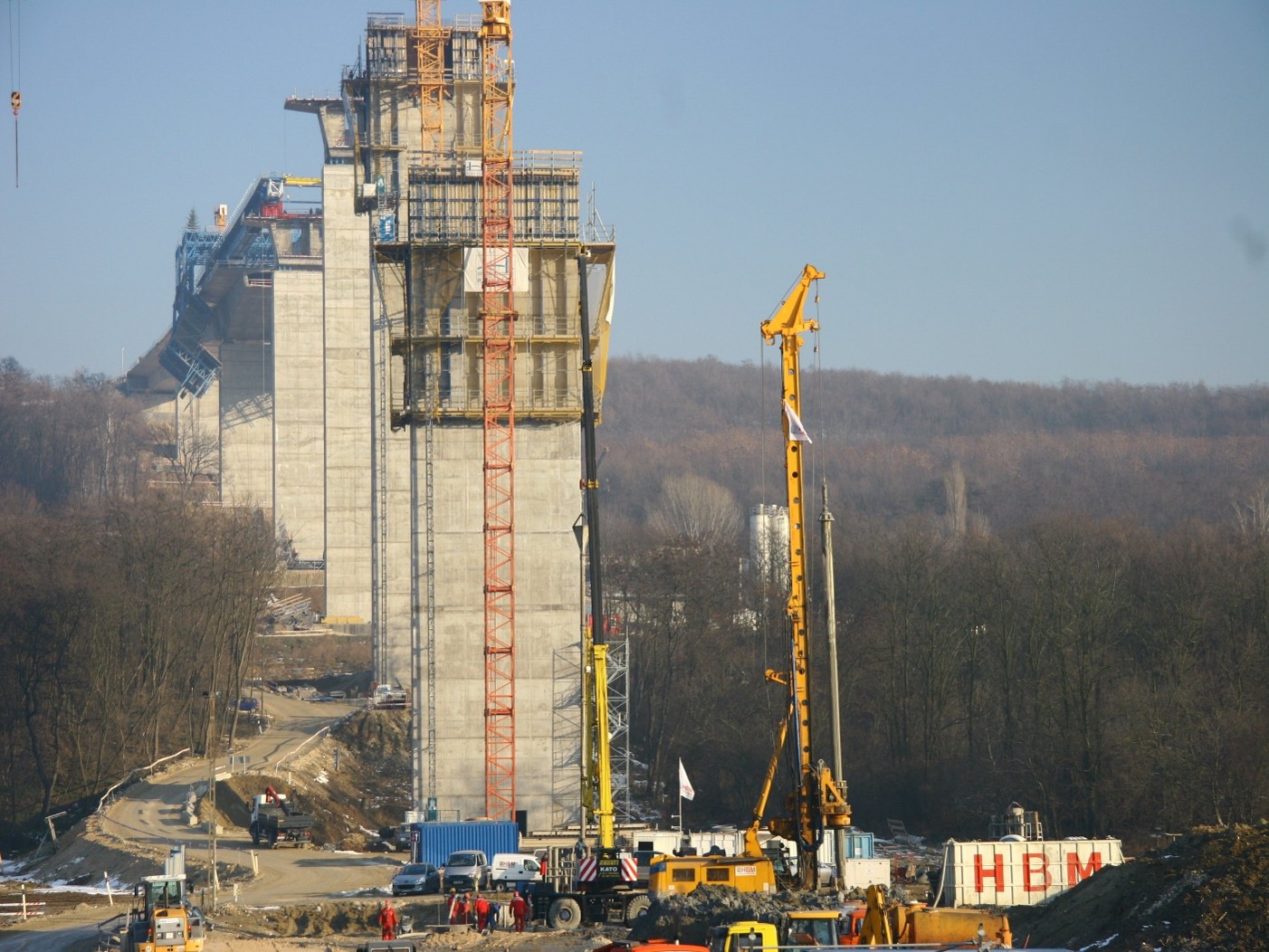
Kőröshegy Viaduct
2005-2006
This was our first large scale project in Hungary where we could apply Screwsol soil displacement piling technology developed by Soletanche Bachy.
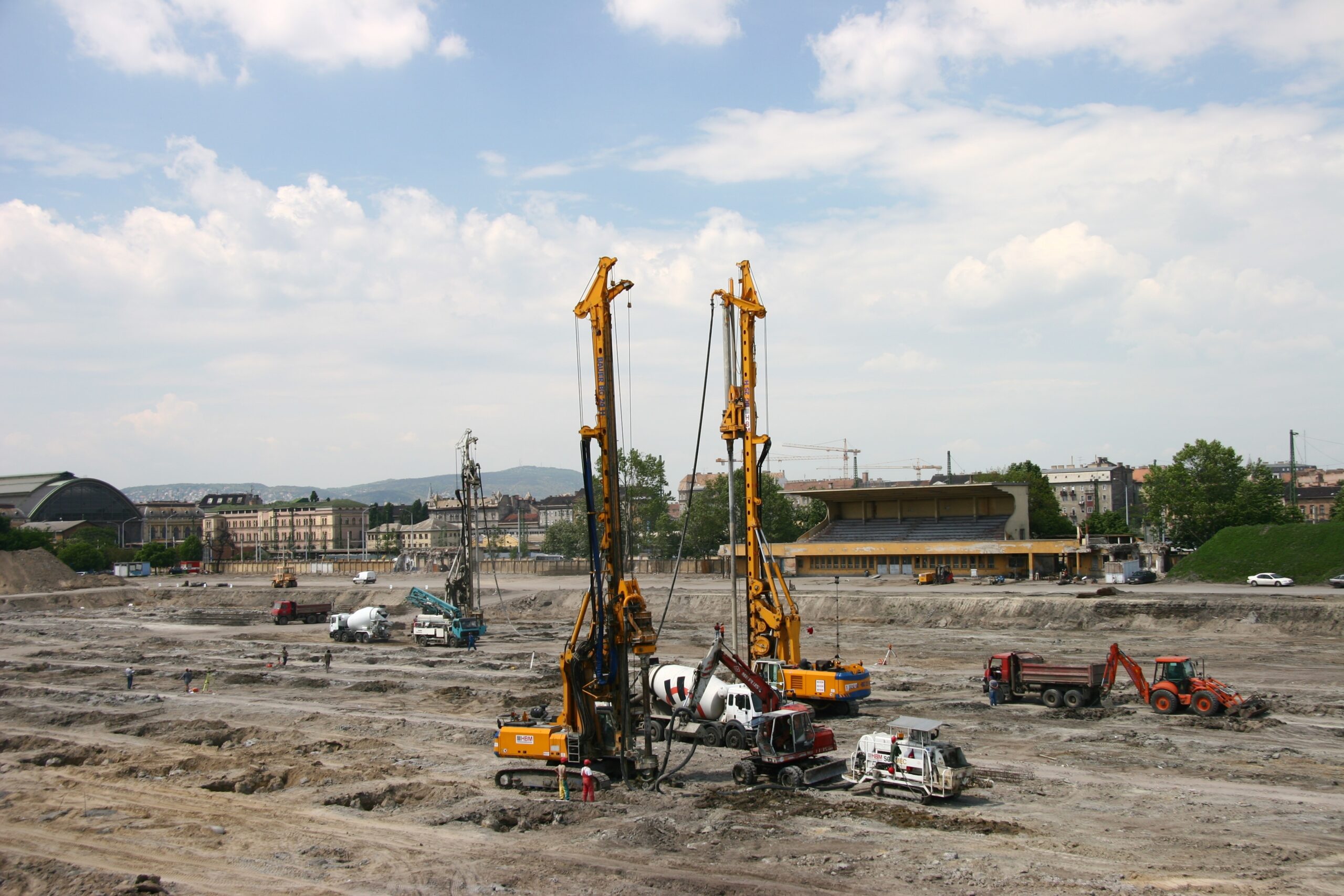
Aréna Shopping Mall
2007
Szent Gellér and the adjacent Fővám Square Stations are considered one of the most challenging projects in the Hungarian history of deep foundation profession: the realization of the nearly 50 meter deep and 1,2 meter thick reinforced concrete diaphragm walls was done by applying hydrofraise technology 1st time in the region.
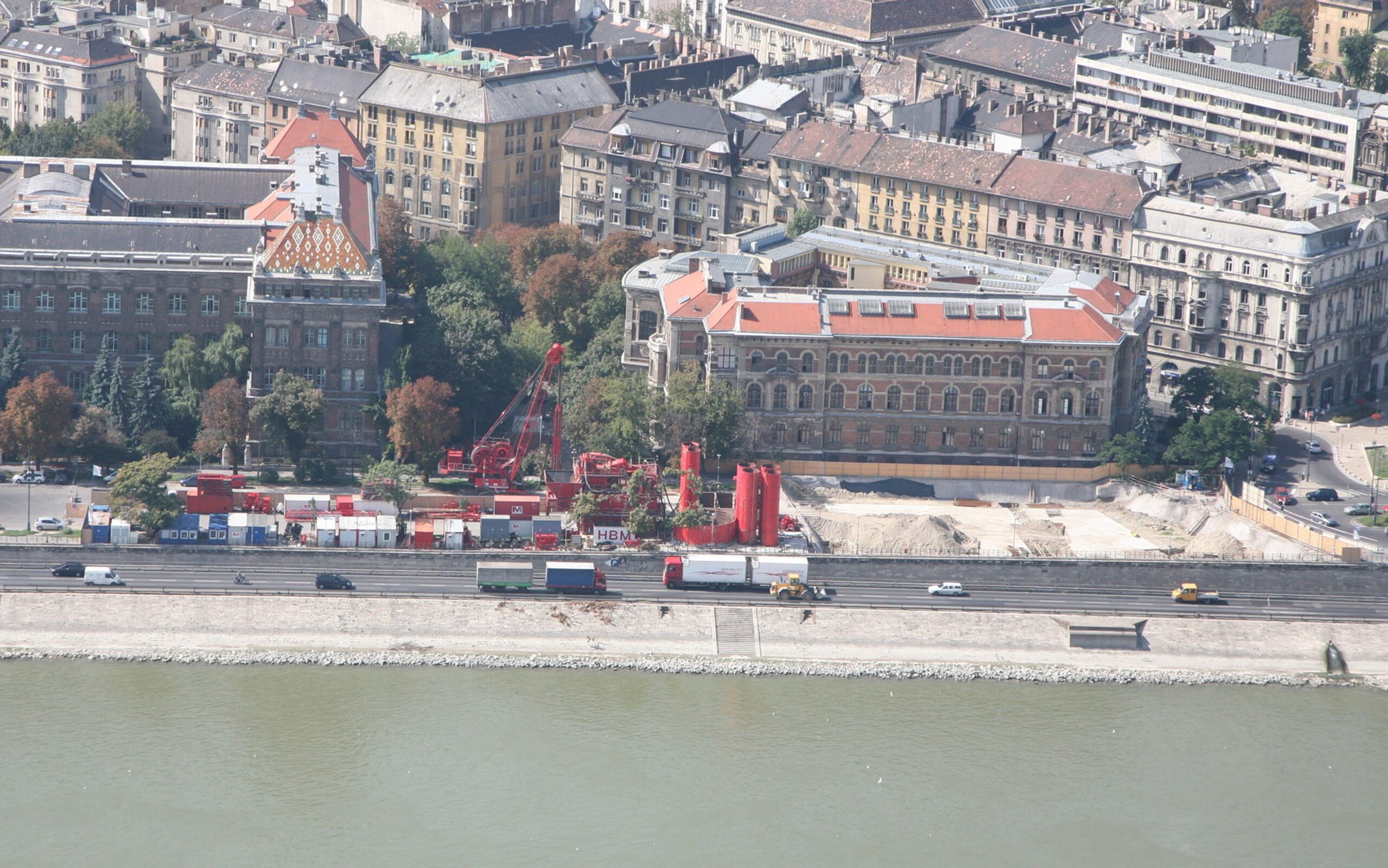
M4 Szent Gellért Square Station
2009
Our mission was to construct a slurry wall along the existing embankment of the reservoir to control water flow. Several unique solutions were implemented to meet the strict environmental requirements and the ambitious project schedule: pre‑mixed self‑hardening slurry material was used for the 1st time in the region, a mobile guide beam and a custom-made trench cutter were developed.
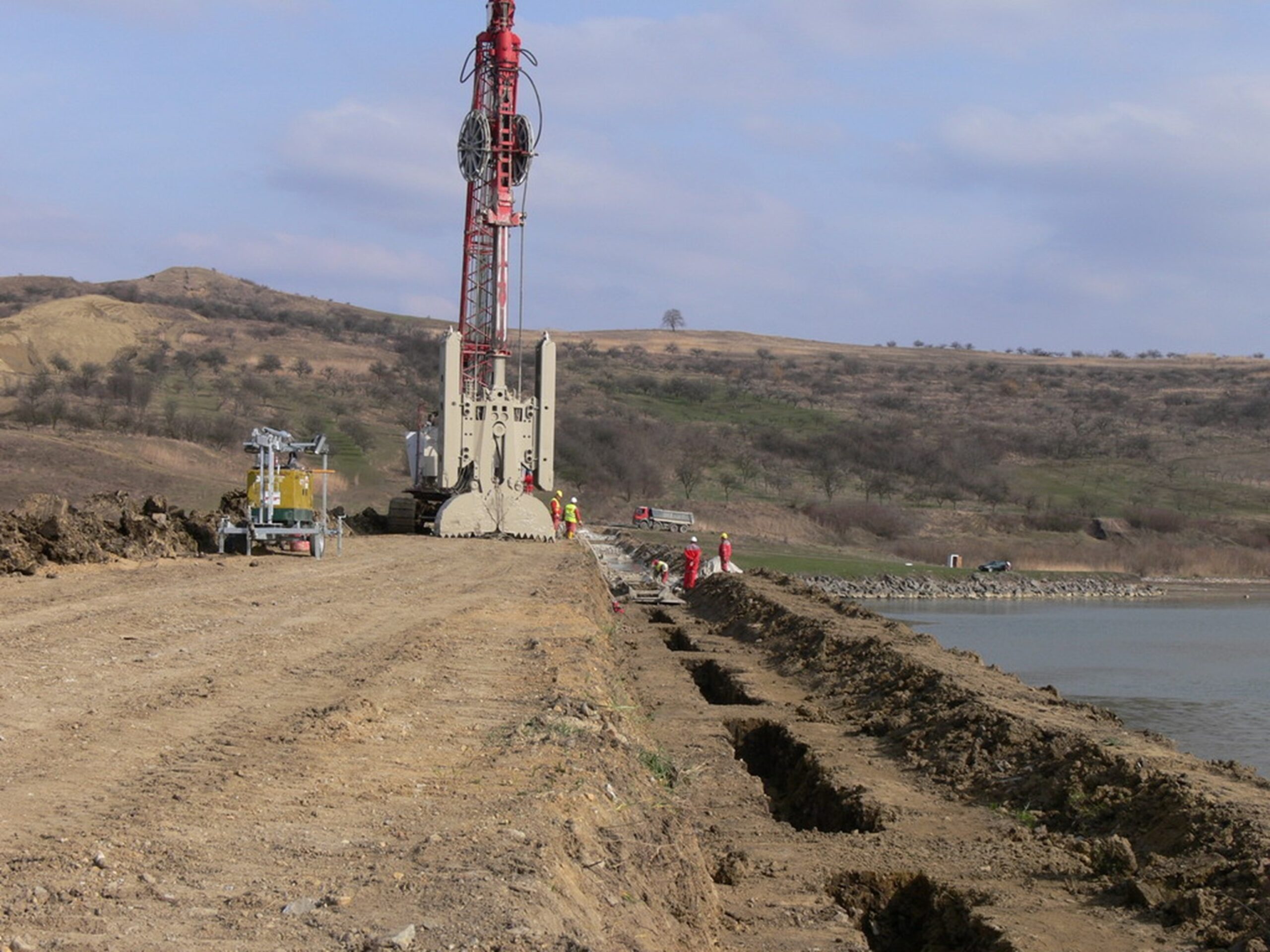
Varsolt Potable Water Reservoir Dam Rehabilitation
2010
Balázs Gombos took over the role of managing director from Gyula Madar.
2011
Audi’s 1st major plant expansion in Győr has also became the first very large reference project of our Screwsol soil-displacement piling technology developed and patented by Soletanche Bachy. Its advantages had resulted in a short rschedule, economic budget and significantly lower environmental impact.
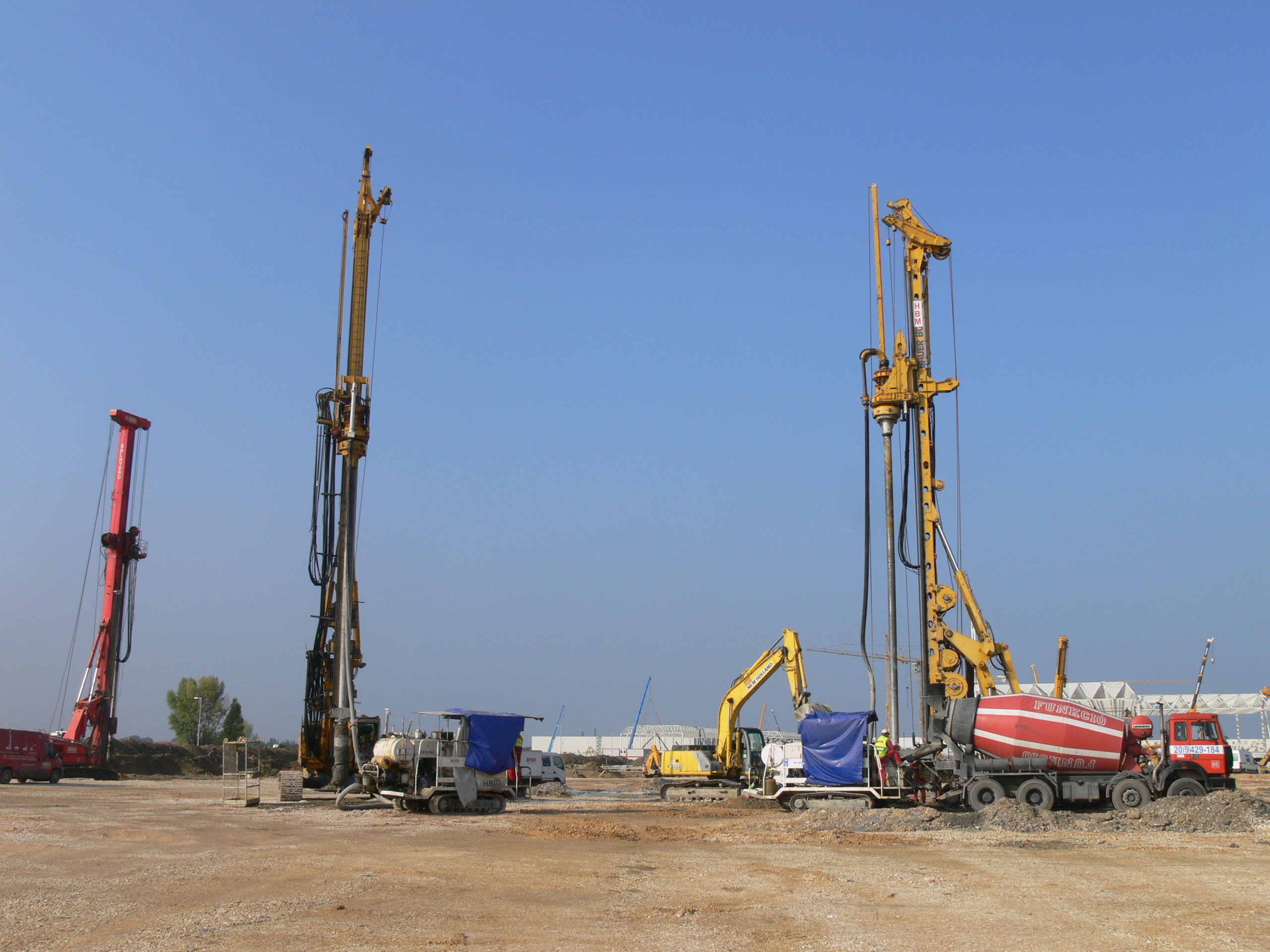
AUDI
2011
We served as the general contractor for the complex renovation works of the United States Embassy building. In addition to meeting the client’s overall high the preservation of the historic façade and the underground works behind has been a great engineering challenge.
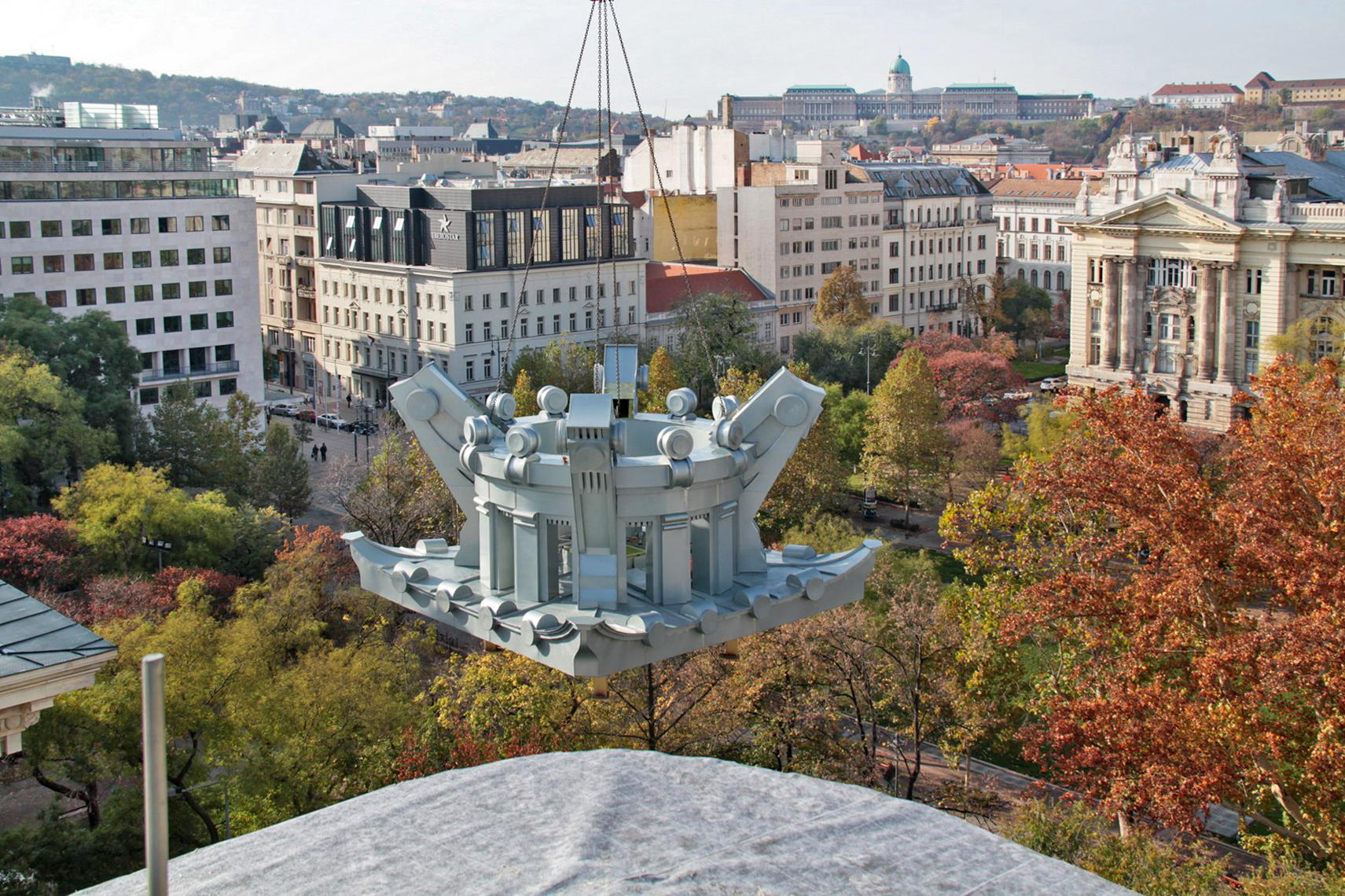
U.S. Embassy Building
2012
The complete foundation system of LEGO’s new plant at Nyíregyháza was implemented during the decade-long partnership of LEGO and HBM. The high level quality and occupational safety requirements significantly shaped the development of our company. The 2022 phase of the project was particularly important from a sustainability perspective: we are proud that this was the first project where we were able to use ultra low emission concrete.
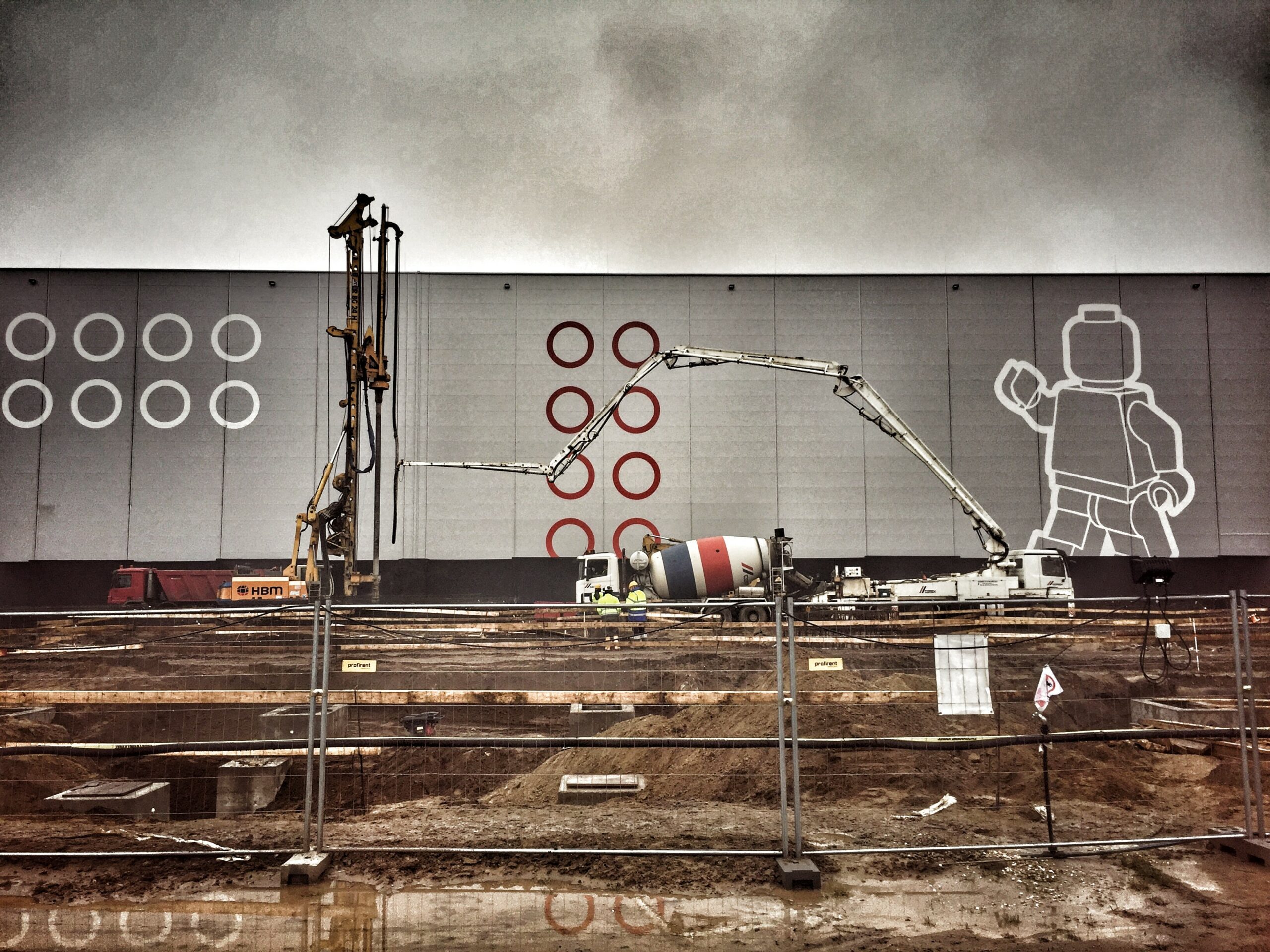
LEGO
2013
The greatest challenge of the Eiffel Palace project was the completely enclosed jobsite: we have constructed a 14 meterdeep excavation between the preserved façades of the historical building. The diaphragm wall was supported with a pioneer methodolody by drilling the ground anchors through the wall under the external groundwater level.
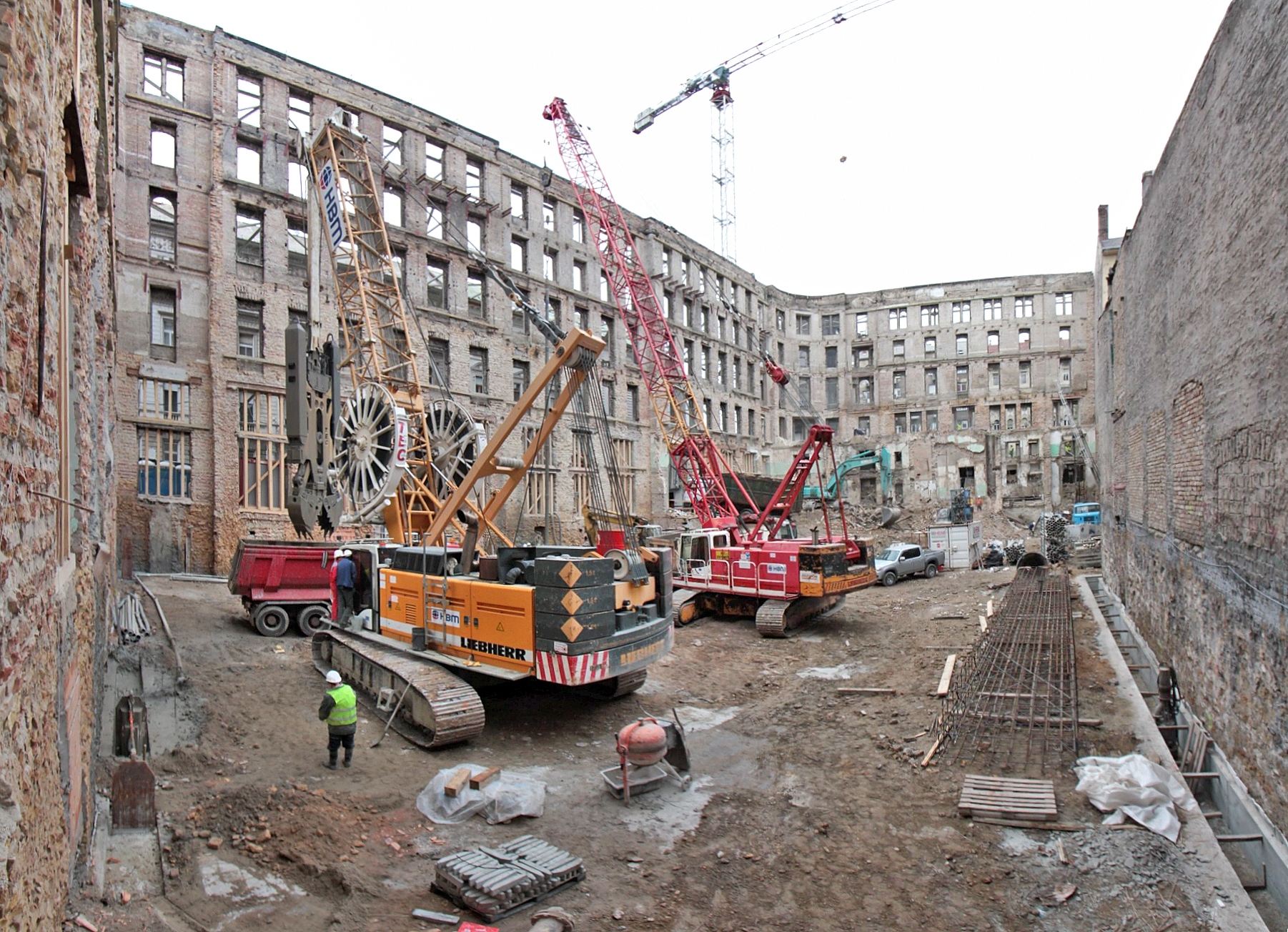
Eiffel Palace Office Building
2014
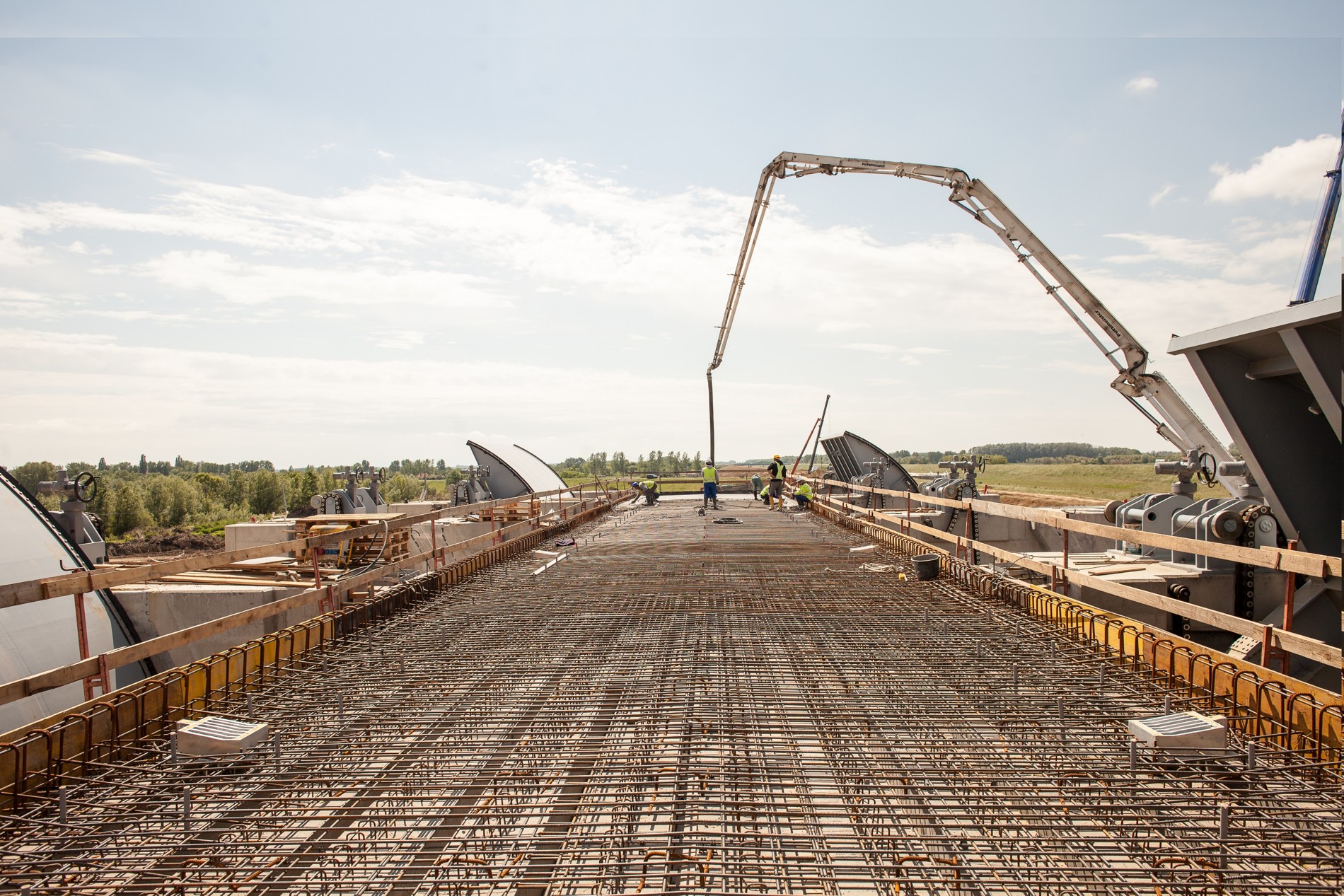
Kisdelta Flood Protection Structures
2014-2015
HBM successfully navigated through the challenging period of the global financial crisis with a somewhat reduced team and equipment fleet. During the market recovery from 2012, the Czech and Slovak branches of Soletanche Bachy operated under the support and supervision of HBM for 2 years. Several inspiring deep foundation projects were delivered in this international cooperation. Special valuable experience was gained through deep foundation works carried out at the Bohunice Nuclear Power Plant and the Duslo ammonia plant.